choose reliable teams for groundhog removal
Wildlife Control Explained: Essential Strategies and Dead Animal Removal Services
Wildlife control encompasses methods aimed at controlling wildlife and ensuring safe living conditions. Being aware of the influence of frequent animal intruders is vital for residents. Reliable prevention strategies can substantially lower the chances of wildlife incidents. Furthermore, the prompt disposal of deceased animals is essential for maintaining health and safety. Yet, numerous individuals are still uninformed about the essential components of proper wildlife management and the value of expert assistance. What steps can be taken to safeguard homes and communities?
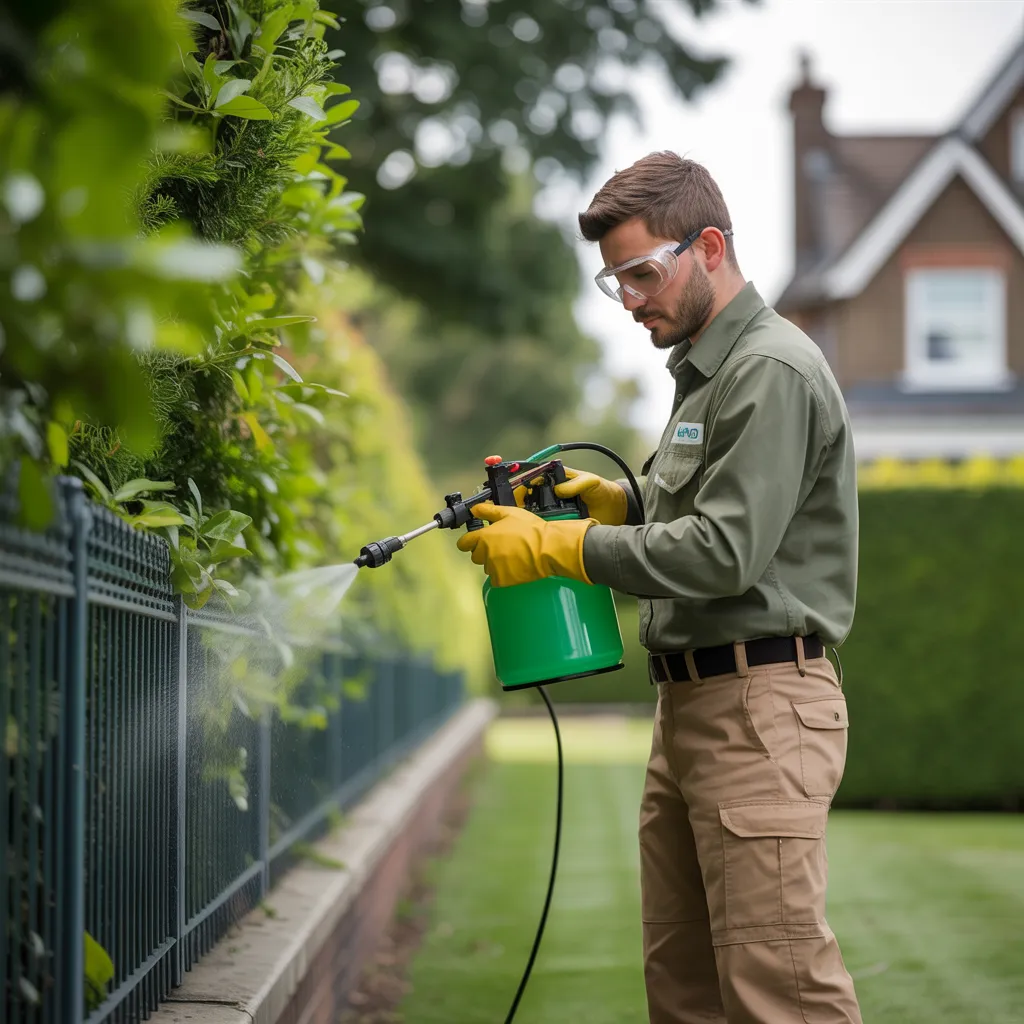
What Is Wildlife Control and Why Is It Important?
Wildlife control includes a variety of methods focused on overseeing animal populations and their relationships with human surroundings. This practice is vital for balancing ecological systems and minimizing conflicts between wildlife and people. Proper wildlife management helps protect public health by reducing the dangers linked to zoonotic diseases, which can be transmitted from animals to humans.
Additionally, it safeguards the interests of farmers by handling species that could harm farmland and animals. By utilizing humane methods, animal control encourages coexistence, making sure that the needs of people and the well-being of animals are both considered.
Furthermore, it serves to sustain biological diversity by addressing invasive species that can disrupt native ecosystems. Overall, fauna management is necessary not only for enhancing safety and reducing property damage but also for promoting a harmonious connection between people and the surrounding ecosystem.
How Typical Wildlife Invaders Cause Damage to Your Home
Common wildlife intruders pose significant risks to homes, resulting in structural harm that can undermine a home's stability. They can also contaminate insulation, generating dangerous health risks for residents. Furthermore, having these creatures nearby introduces serious electrical dangers, as they may chew through wires, increasing the risk of fires.
Risks of Structural Damage
The occurrence of wildlife pests can lead to significant structural damage in homes. Creatures including raccoons, squirrels, and rodents frequently take advantage of vulnerabilities in building exteriors, creating entry points that compromise structural integrity. Raccoons, for example, are capable of ripping away roofing components and deteriorate insulation, while squirrels often chew through electrical cables and timber beams, elevating the danger of fire-related incidents. Moreover, digging animals can weaken foundations by creating tunnels, increasing the likelihood of structural collapse. With the passage of time, such entry points can enable water seepage, causing mold proliferation and timber deterioration. Residents ought to be watchful for signs of wildlife intrusion to prevent costly repairs and guarantee the protection and durability of their homes. Timely response is critical to minimizing these dangers.
Insulation Contamination Concerns
Insulation acts as a vital defense against temperature variations, but it can easily become compromised by intruding animals. Animals such as mice and raccoons can destroy insulation materials, creating pathways that allow for further entry into home structures. Their nesting behaviors frequently lead to contaminating the insulation with feces, urine, and various debris, resulting in widespread contamination. This not only reduces the insulation's performance but also creates health hazards through possible exposure to dangerous pathogens. Furthermore, decomposing animal remains can produce foul odors and draw in additional pests. Property owners should tackle insulation contamination quickly to preserve both energy performance and indoor air quality, underscoring the value of reliable wildlife control and corrective measures.
Electrical Hazard Concerns
In what ways do wildlife intruders create electrical hazards in homes? Typical wildlife pests, including rodents and birds, can inflict considerable damage on electrical systems. Rodents especially are notorious for chewing through wires, leading to exposed conductors and the risk of short circuits. This creates not only a fire hazard but also elevates the risk of electrical shock for residents. Additionally, nesting materials from birds can obstruct ventilation systems or accumulate near electrical panels, thereby heightening fire hazards. Beyond this, wildlife can bring moisture into the home through burrows or droppings, fostering conditions that promote corrosion and electrical failure. Managing these dangers through comprehensive wildlife control and consistent inspections is vital to ensuring a safe and secure living space.
How to Detect Evidence of Wildlife in Your Area
Detecting signs of animal presence is critical for efficient mitigation methods. Frequent evidence includes footprints, recognizable sounds, and strange smells that can indicate the presence of unwanted wildlife. Identifying these indicators promptly can aid in reducing possible property damage.
Popular Wildlife Track Identification
Numerous nature lovers recognize that identifying common animal tracks is crucial for comprehending the dynamics of local ecosystems. Animal tracks differ across species, with distinctive shapes and sizes. For example, the tracks of deer appear heart-shaped, whereas raccoon tracks display a hand-like pattern with long, slender digits. Canine tracks, such as those of coyotes, display a more oval shape with visible claw marks. Observing the spacing between tracks can also provide clues about the animal's size and movement speed. Moreover, recognizing claw patterns can aid in telling various species apart; as an example, bobcat prints are characterized by an absence of visible claw marks, in contrast to those of a dog. Grasping these nuances supports wildlife observation and conservation initiatives, deepening one's appreciation of the natural world.

Noises and Odors
Recognizing wildlife activity often extends beyond visual cues like trail markings; noises and smells play significant roles as well. Noises such as movement in the shrubbery, scraping within walls, or nocturnal chattering can indicate animals searching for food or refuge. Every animal type generates characteristic sounds, making it easier to identify the probable species responsible. Smells also offer important indicators. A stale scent may indicate a hidden animal nest, while a foul odor could reveal a dead animal nearby. Recognizing these sensory indicators empowers homeowners to respond without delay. By keeping watchful to both sounds and smells, residents can properly determine wildlife presence and begin suitable management steps before the issue intensifies.
Pest and Wildlife Control: Essential Tactics for Keeping Animals at Bay
Keeping animals from entering your property requires a strategic approach that pairs familiarity with animal tendencies alongside reliable prevention techniques. Residents ought to start by pinpointing likely entry spots, such as holes in walls, overhead spaces, or underground sections, and fill them in to remove any means of entry. Regular maintenance of the property, including clearing away waste and fastening trash containers, can reduce the likelihood of animals foraging for food.
In addition, utilizing organic deterrents like motion-activated lighting or sound systems can deter unwanted wildlife. Landscaping choices also play a role; planting native species and keeping a clean yard can decrease the attractiveness for multiple species. Educating residents about local wildlife habits strengthens awareness and promotes proactive efforts.
The Significance of Professional Wildlife Control Services
When wildlife disturbances go beyond what homeowners can manage on their own, professional wildlife control services become an essential resource. These expert services deliver proficiency in recognizing and managing a broad spectrum of wildlife problems, guaranteeing both safety and compliance with local regulations. Trained professionals utilize humane trapping methods and exclusion techniques to reduce the effect on surrounding ecosystems while successfully addressing wildlife conflicts.
Additionally, these companies often offer detailed assessments of homes to identify potential vulnerabilities that may encourage future incursions. By utilizing sophisticated tools and techniques, they can resolve the root origins of wildlife problems, rather than merely handling immediate concerns. This proactive approach not only safeguards homes but also fosters coexistence with local wildlife. At the end of the day, enlisting professional wildlife control services assures that homeowners can navigate complex wildlife challenges in a safe and effective manner, limiting risks to their homes and the well-being of their families.
The Importance of Dead Animal Removal
The presence of dead animals on a property can pose significant health risks and draw in undesirable pests. Rotting carcasses discharge harmful bacteria and pathogens, which can contaminate soil and water sources, threatening the well-being of people and animals. Moreover, the odor emanating from a decaying body can disrupt the quality of life for nearby residents and produce an inhospitable environment.
Moreover, dead animals can become a food source for foraging pests, including rodents and other insects, resulting in secondary infestations. This can turn into more serious complications, demanding more extensive pest control measures. Removing dead animals promptly is essential to explore article mitigate these risks and ensure environmental safety is restored.
Expert deceased animal removal solutions are prepared to manage these circumstances effectively, ensuring proper disposal and sanitation. By addressing the issue swiftly, property managers can preserve their health, preserve local ecosystems, and sustain the quality of their property.
What to Look for in a Wildlife Control Service?
Professional wildlife control services are essential for preserving a safe and healthy environment, particularly following concerns like dead animal removal. When seeking a wildlife control service, several key factors should be considered. First, verify the company is licensed and insured, as this confirms their legitimacy and protects against liability. Experience in the field is essential; a business with a demonstrated history of success is better equipped to address diverse wildlife concerns.
Moreover, ask about their approaches to animal removal and prevention, making sure they employ humane and environmentally friendly practices. Customer reviews and testimonials can offer valuable information about the service's reliability and effectiveness.
In addition, a reliable service should offer a thorough evaluation and follow-through to deter recurring wildlife invasions. By evaluating such standards, individuals can select a wildlife management provider that prioritizes safety, efficiency, and ethical practices.
Frequently Asked Questions
What Are the Legal Requirements for Wildlife Control in My Region?
Legal regulations for controlling wildlife change depending on the area, often requiring permits for animal trapping and relocation. Regional wildlife authorities offer guidance, guaranteeing the humane handling of animals and compliance with conservation laws to safeguard animals and their ecosystems.
What Is the Safe Way to Handle a Dead Animal on My Property?
To safely handle a dead animal, one should use protective gloves, utilize a shovel to remove the body, place the body in a double bag, and discard it in compliance with local regulations, maintaining proper sanitation while minimizing health risks.
What Are the Costs Associated With Wildlife Control Services?
The pricing for wildlife control services fluctuates considerably, generally falling between $100 and $1,500. Factors influencing pricing include the species of wildlife involved, severity of the infestation, and the removal techniques or prevention strategies required.
Will Wildlife Control Stop Future Infestations for Good?
Animal control services can substantially decrease the chance of recurring wildlife problems through preventive measures, but it cannot guarantee complete prevention. Regular monitoring and routine maintenance are critical to minimize risks and handle emerging problems in a timely manner.
Which Types of Animals Need Specialized Removal Methods?
Some animals, among them raccoons, bats, and snakes, demand specialized extraction techniques because of their distinct behaviors and possible health hazards. Trained specialists must apply specific techniques to ensure safe and humane treatment throughout the removal procedure.